
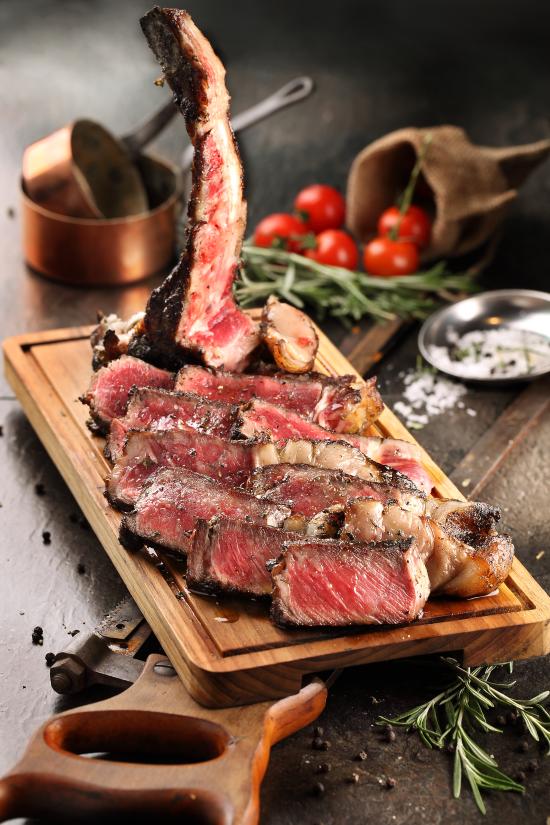
In the modern restaurant landscape, visual appeal is often the first point of engagement between diners and a menu. Studies show that customers are highly influenced by images of dishes before reading descriptions or considering taste. food photography not only attracts attention but also helps communicate the quality, texture, and flavor of dishes. A menu featuring visually enticing images can increase the likelihood of customer orders by up to 30%, demonstrating the tangible impact of professional food visuals on revenue.
How Can Texture Be Effectively Captured in Photos?
Texture plays a critical role in shaping diners’ perception of food. Crisp crusts, creamy sauces, and tender layers can all be highlighted through strategic photography techniques. Macro photography, for instance, allows for close-up shots that emphasize intricate textures. Lighting is equally important: side lighting creates shadows that enhance depth, while diffused lighting softens harsh contrasts, keeping food looking natural. Photographers who master these techniques enable customers to almost “feel” the food through visuals, translating texture into perceived taste.
Does Flavor Really Come Through in an Image?
While flavor cannot be tasted through a screen, visual cues strongly suggest it. Color, plating, and garnish all signal flavor profiles to potential diners. Vibrant hues imply freshness, while rich, dark tones suggest hearty, savory dishes. The use of props, such as a drizzle of sauce or a sprinkle of spices, helps convey taste and aroma, making the image more appetizing. According to surveys, customers often rely on visual cues to predict flavor, showing that effective photography can influence ordering behavior significantly.
Which Menu Items Benefit Most From Professional Photography?
Not all dishes require the same visual strategy. High-contrast dishes like desserts or layered entrees tend to photograph exceptionally well, while simpler items may need careful styling to appear appealing. Seasonal items, limited-time offers, and signature dishes can benefit from dedicated photo sessions to maximize their menu impact. Restaurants that invest in showcasing these key items through photography often see higher order rates and improved customer engagement.
How Does Consistency Improve Menu Appeal?
Consistency in food photography fosters trust and sets clear expectations for diners. When images accurately reflect the final served dish, customers feel confident about their order, reducing disappointment and increasing satisfaction. Standardized styling, consistent lighting, and a uniform angle for all menu items help create a cohesive visual identity. Statistical insights indicate that consistent visual presentation can improve overall menu perception and even enhance repeat business.
Can Food Photography Drive Digital Engagement?
With the rise of online ordering and social media marketing, professional food photography extends beyond physical menus. Eye-catching images are more likely to be shared on social platforms, increasing brand visibility and engagement. Online reviews and social media posts featuring high-quality visuals often correlate with higher click-through rates and sales. Research demonstrates that restaurants with strong digital imagery can experience a measurable boost in both online and offline traffic.
What Are Key Tips for Restaurants Investing in Food Photography?
Prioritizing professional photography, emphasizing texture, and capturing the essence of flavor are foundational steps. Additionally, aligning photography with brand identity and menu strategy ensures that images resonate with the target audience. Continuous updates to reflect seasonal menus, ingredient changes, or trending dishes help maintain visual relevance. Investing in skilled photographers and thoughtful styling ultimately translates into stronger menu appeal, customer trust, and increased revenue.
In conclusion, food photography is far more than a decorative element—it is a strategic tool that enhances menu appeal, communicates texture and flavor, and drives customer engagement. Restaurants that leverage professional images thoughtfully can turn visual storytelling into measurable business growth, proving that a picture truly is worth a thousand bites.