
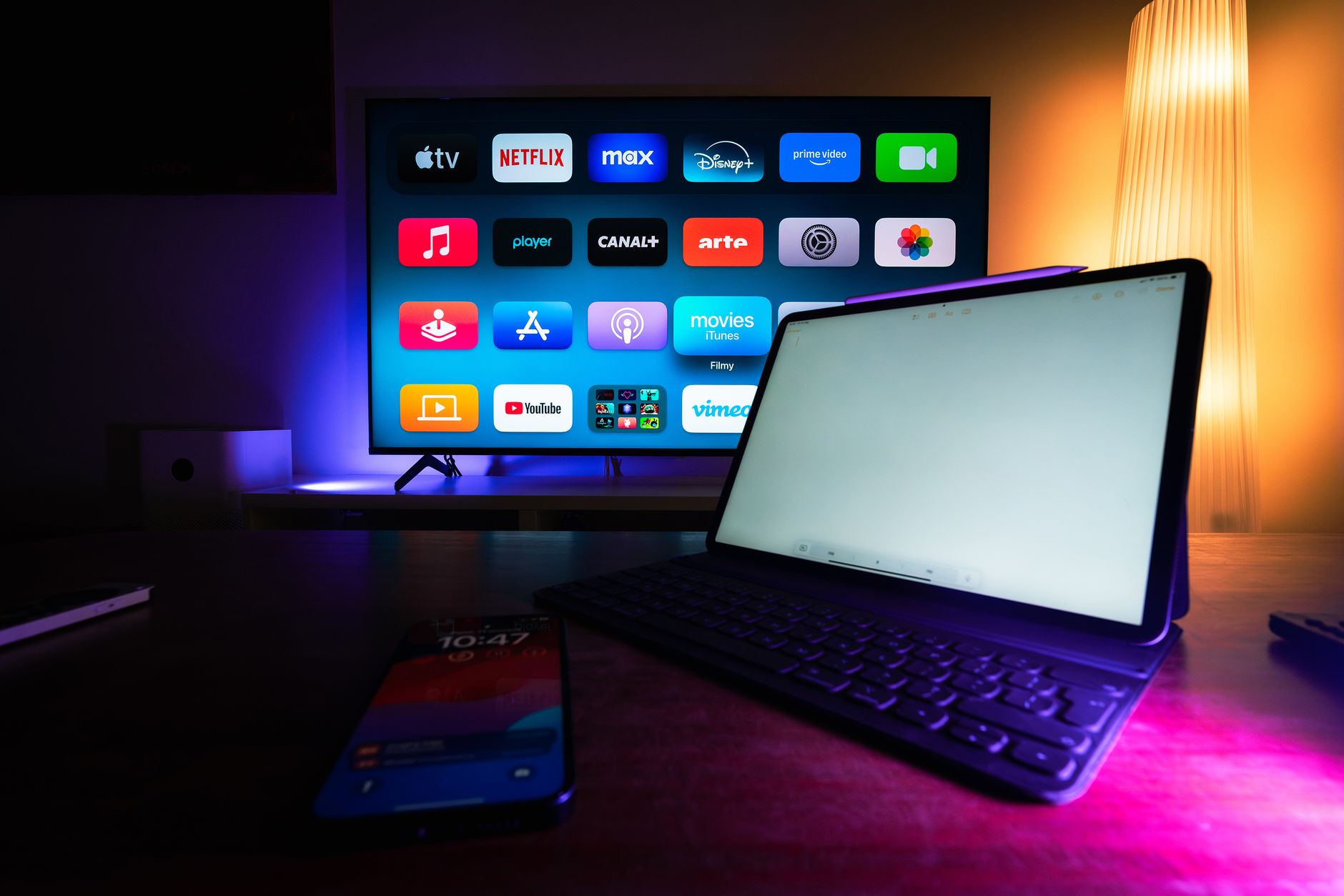
Choosing an internet-based television service involves more than checking the number of available channels. Viewers should consider content quality, device compatibility, streaming performance, subscription conditions, and customer support before making a decision. The Best IPTV (bästa iptv) option is one that offers a suitable combination of features, reliable access, and transparent service conditions. Understanding the most important factors can help households select a television solution that matches their entertainment preferences and everyday viewing habits.
Content Selection and Channel Variety
The available content should be one of the first considerations when comparing television services. Some viewers mainly enjoy live news and sports, while others prefer films, documentaries, children’s programmes, and international entertainment.
A suitable service should provide a clearly organised selection of channels and explain which categories are included in its subscription packages. Viewers interested in regional programming should also check language options and geographical availability.
It is important to remember that channel access depends on distribution rights. A provider should be authorised to offer the content it advertises, and consumers should review the channel list rather than relying on broad promises.
Streaming Quality and Stability
Picture quality has a direct effect on the viewing experience. Many services offer standard-definition and high-definition streams, while some may support ultra-high-definition content for compatible devices and programmes.
However, resolution alone does not guarantee smooth playback. Streaming stability also depends on internet speed, network congestion, Wi-Fi strength, device performance, and the service’s technical infrastructure.
Before subscribing, viewers should understand the available quality settings and any internet requirements. A consistent connection is generally more useful than a high resolution that frequently buffers or disconnects.
Device Compatibility and Accessibility
Modern households use different devices for entertainment, so compatibility is another important comparison point. Internet television services may support smart TVs, streaming receivers, smartphones, tablets, laptops, and desktop computers.
Consumers should confirm that their preferred devices and operating systems are supported. They should also check whether the service allows simultaneous viewing on multiple screens.
An easy installation process and straightforward application interface can make everyday use more convenient. Clear menus, organised categories, and responsive playback controls are especially useful for viewers who prefer simple navigation.
Live Television and On-Demand Features
Different viewing options provide greater flexibility. Live television allows audiences to follow scheduled broadcasts, sporting events, and news updates as they happen.
Video-on-demand libraries provide access to available films, series, and other recorded entertainment at a convenient time. Some platforms also include catch-up television, which allows selected programmes to be watched after their original broadcast.
These features vary between providers, so users should compare what is actually included rather than assuming every service offers the same functionality.
Subscription Pricing and Transparency
Price comparisons should consider the complete subscription conditions. A low introductory fee may not represent the total cost if additional charges, equipment requirements, or renewal conditions apply.
Before making a payment, viewers should review package duration, accepted payment methods, cancellation rules, refund policies, and any restrictions on device usage. Clear pricing information helps consumers understand what they are purchasing.
Avoid services that make unrealistic promises or provide unclear information about payments and content access.
Customer Support and Security
Responsive customer support can be valuable when installation problems, playback interruptions, or account questions arise. Check whether assistance is available through clear communication channels and whether useful setup instructions are provided.
Security should also be part of the decision. A trustworthy service should explain how personal information is handled and provide transparent privacy conditions. Users can further protect their accounts by choosing strong passwords, installing applications from trusted sources, and keeping devices updated.
Making a Well-Informed Choice
Comparing IPTV services requires attention to content, streaming performance, compatibility, viewing features, pricing, and security. No single feature determines overall suitability.
By examining these factors carefully and confirming that content is legally distributed, viewers can choose a service that supports their preferences without overlooking important practical details. A transparent provider with dependable performance and suitable features can make internet-based television a convenient part of modern home entertainment.
What You Need to Know
- Viewers should consider content quality, device compatibility, streaming performance, subscription conditions, and customer support when choosing an internet-based television service.
- Providers must be authorized to offer the content they advertise, and consumers should carefully review the channel list available in subscription packages.
- The quality of streaming involves not just resolution, but also factors such as internet speed, network congestion, and device performance.
- Viewers should ensure that their preferred devices are compatible with the service and check if it allows simultaneous viewing on multiple screens.
- Pricing should be clear and comprehensive, including any additional charges, equipment requirements, or renewal conditions that may apply.
- Responsive customer support and transparent privacy conditions are essential factors to consider when selecting an IPTV service.