
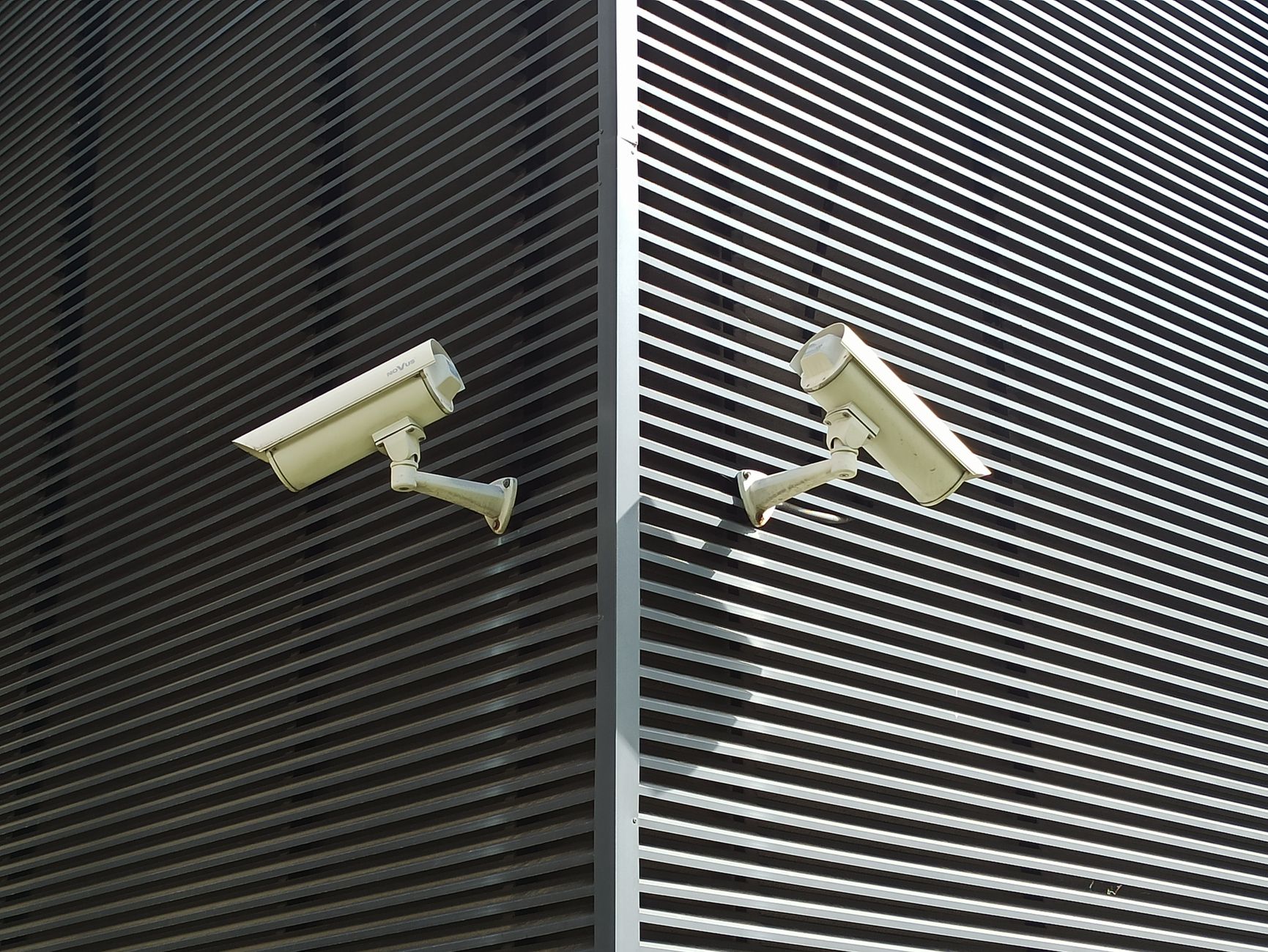
Residential security technology is becoming increasingly integrated into everyday home management. Homeowners may want protection while sleeping, visibility when away, alerts around entrances, and connected controls that simplify daily routines. For people researching home security systems near me, the most useful starting point is understanding how professionally installed alarms, cameras, monitoring, and smart-home functions can operate as a coordinated system. A property-focused design can account for household routines, existing equipment, and the type of control a homeowner wants.
What’s Covered
- Alarm Protection Creates Awareness
- Cameras Help Explain Events
- Mobile Control Connects Security With Routine
- Monitoring Can Support Response
- Security Includes Life-Safety Events
- Professional Installation Makes a Difference
- Existing Equipment Does Not Always Need Replacement
- A Practical Path to Better Home Protection
Alarm Protection Creates Awareness
A residential alarm system typically begins with sensors positioned around important entry and activity areas. Door and window contacts can identify unexpected openings, while motion detection can monitor selected interior spaces. Glass-break detection can provide another form of notification when a protected area experiences a potential security event.
The value of these components depends on proper placement and configuration. A professional assessment can examine the property’s layout and identify areas where detection can support the homeowner’s security objectives.
Cameras Help Explain Events
A notification alone may not provide enough context. Cameras can add visual information that helps homeowners understand activity around the property. Doorbell cameras can support awareness near an entrance, while other cameras can cover selected areas around the home.
Modern camera platforms may provide features such as event recording, remote viewing, intelligent warnings, and video search, depending on the equipment and service configuration. These functions can make recorded information easier to locate when homeowners need to review an event.
Mobile Control Connects Security With Routine
A connected security application can bring several home functions together. Depending on the selected system, homeowners may be able to check alarm status, control compatible locks, manage garage access, view cameras, and adjust connected comfort settings through a unified experience.
This type of integration can be particularly useful when household routines change throughout the day. Arrival alerts, nighttime settings, and other scenes can connect security actions with normal activities instead of treating every device as a separate system.
Monitoring Can Support Response
Professional monitoring introduces another communication layer between the residence and a response service. The precise process depends on the selected plan and system design. Some configurations can support video verification, allowing an operator to review compatible camera information associated with an alarm event.
Homeowners should examine how their system communicates during an alarm, what verification options are available, and what response process applies to their selected service. Understanding these details helps establish realistic expectations about the protection provided.
Security Includes Life-Safety Events
A comprehensive residential approach can address hazards that have nothing to do with intrusion. Smoke and heat detection can support early awareness of fire-related conditions, while carbon monoxide detection can provide another important household safeguard.
Water protection is also relevant because leaks can develop when homeowners are away or asleep. Connected leak detection can provide an alert, and compatible equipment may activate a water shutoff mechanism. These functions broaden the role of a residential security system from intrusion detection toward wider property awareness.
Professional Installation Makes a Difference
Security equipment performs best when the system is designed around the actual property. Professional installation involves more than mounting devices. It can include evaluating existing infrastructure, configuring equipment, testing communication, and explaining system operation.
A structured installation process can also make future service easier because the homeowner has a clearer understanding of the installed equipment and its capabilities. Professional support remains useful when devices need troubleshooting, repairs, or upgrades.
Existing Equipment Does Not Always Need Replacement
Homeowners with an existing alarm or camera setup may have several possible paths. Equipment can sometimes be retained, repaired, or integrated when its condition and compatibility allow it. A system assessment can examine sensors, panels, cameras, recorders, wiring, programming access, and communication options before changes are recommended.
A Practical Path to Better Home Protection
Residential security works best when technology follows the needs of the household. Combining alarms, cameras, monitoring, life-safety devices, and smart-home controls can create a more coordinated experience. Careful planning and professional support help ensure that the selected system is practical, understandable, and prepared for the everyday demands of modern home protection.
What You Need to Know
- Residential security technology is becoming integrated into home management, allowing homeowners to enhance protection while simplifying daily routines.
- Alarm systems begin with strategically placed sensors around important areas to detect unexpected openings and monitor activity.
- Connected security applications enable homeowners to integrate alarm status, lock control, garage access, camera viewing, and comfort settings into a single user experience.
- Professional monitoring can enhance communication between residences and response services, including options for video verification during alarm events.
- Comprehensive residential security approaches include detection for smoke, heat, carbon monoxide, and water leaks, expanding beyond mere intrusion detection.
- Professional installation ensures the security system is tailored to the property’s specific needs and infrastructure, enhancing performance and future serviceability.